
The Complete Guide to Financing a New Home Build
Posted On: October 30, 2026 by Falcon National Bank in: Your Financial Life | Personal Banking
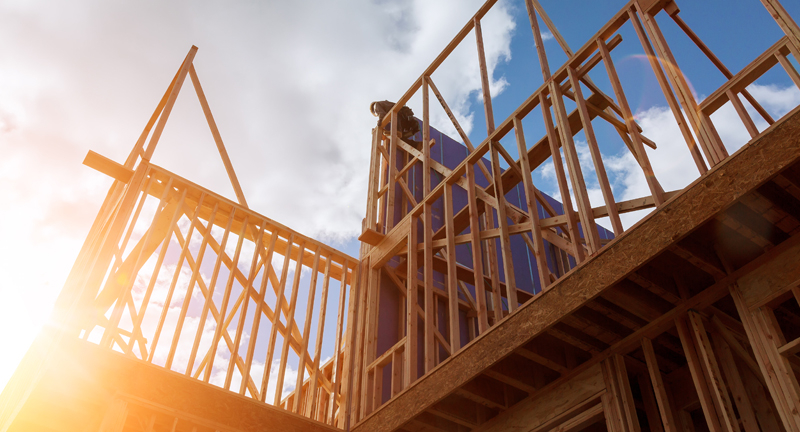
Building a home from the ground up is exciting. You get to choose the layout, finishes, features and details that make the home uniquely yours.
But building a home also comes with a financial process that can feel more complicated than purchasing an existing home. From budgeting and selecting a builder to understanding construction financing and managing costs along the way, there are plenty of details to consider before breaking ground.
The good news? You don't have to navigate the process alone.
Understanding how construction financing works—and getting the right team involved early—can help make the journey from plans to finished home much smoother.
Start With a Realistic Budget
Before you start picking out countertops or flooring, establish a realistic budget for your project.
Your budget should account for more than the base cost of building the home. Consider expenses such as:
- Land or lot costs
- Construction and labor
- Building materials
- Permits and fees
- Site preparation
- Landscaping
- Appliances
- Flooring, cabinets and other finishes
- Contingency funds for unexpected expenses
It's important to leave some room in your budget for costs that may arise during construction. Having a clear understanding of what you can comfortably afford can help guide decisions throughout the building process.
Find the Right Builder
Your builder plays a major role in bringing your vision to life, so take time to find someone you trust.
Research potential builders, review their previous work, check references and make sure they're familiar with the type of home you're planning to build.
You should also have a clear understanding of what's included in the builder's estimate and what expenses will be your responsibility.
The more clarity you have upfront, the fewer financial surprises you're likely to encounter later.
Understand How Construction Loans Work
Unlike a traditional mortgage used to purchase an existing home, a construction loan is designed to help finance the building process.
Construction loans can provide funds as work progresses rather than providing the entire amount at the beginning. These funds are typically distributed through scheduled draws based on the progress of construction.
Once construction is complete, the financing may transition into permanent mortgage financing, depending on the loan structure.
Because construction financing works differently from a traditional home loan, it's important to talk with a lender early in the planning process.
Get Your Financing in Place Early
One of the biggest mistakes prospective home builders can make is waiting too long to talk to a lender.
Before you finalize plans or commit to a builder, talk with your lender about your financing options and what you'll need to qualify.
Your lender can help you understand:
- How much you may be able to borrow
- How much you may need to contribute
- What documentation will be required
- How construction draws work
- What costs may be included in the loan
- What the transition to permanent financing looks like
Getting these questions answered early can give you a clearer picture of your overall project budget and help you move forward with greater confidence.
Don't Forget About the Timeline
Building a home takes time, and delays can happen.
Weather, material availability, inspections, permitting and changes during construction can all affect your timeline. When creating your financial plan, consider how changes to the construction schedule could affect your overall costs and financing.
It's also important to understand the expected timeline for your construction loan and what happens if the project takes longer than anticipated.
Your lender and builder should work together with you to help keep everyone on the same page.
Expect Some Decisions Along the Way
Even with the best planning, building a home rarely goes exactly according to the original plan.
You may decide to upgrade a finish, change a feature or encounter an unexpected construction expense. That's why it's important to communicate with your lender and builder before making significant changes that could affect your budget.
The goal isn't to avoid every change—it's to understand the financial impact before moving forward.
Work With a Lender Who Understands Construction Lending
A construction loan isn't just another mortgage. The process involves unique considerations, and having a lender who understands construction financing can make a significant difference.
At Falcon National Bank, we offer construction financing designed to help you build a home that fits your needs and your budget. Our local lending team can help you understand your financing options, navigate the construction process and plan for the transition into your permanent mortgage.
We believe building a home should be an exciting experience—not one where you're left wondering what comes next.
Ready to Break Ground?
The best time to start talking about financing your new home isn't after you've chosen the paint colors. It's before you break ground.
Starting the conversation early can help you establish a realistic budget, understand your financing options and feel more prepared for the road ahead.
Ready to turn your plans into a place to call home? Connect with Falcon National Bank to learn more about construction financing and take the first step toward building your future.


0 comments